
Mold Testing in Bridgetown, PA

Know What's Growing Before It Costs You

Professional mold testing gives you lab-accurate answers about what’s in your air, behind your walls, and affecting your family’s health in Bridgetown.

Hear from Our Customers

Professional Mold Testing Bridgetown

Real Answers About Your Air Quality

You’re not looking for a sales pitch. You need to know if there’s mold, what kind it is, and whether it’s affecting your family’s health or your property value.

Professional mold testing tells you exactly what’s happening in your Bridgetown home. We collect air and surface samples, send them to certified labs, and give you documentation that actually means something—whether you’re dealing with a health concern, preparing for a real estate transaction, or filing an insurance claim.

The difference between guessing and knowing is about 48 hours and a proper test. DIY kits from the hardware store can’t identify species, measure spore counts, or give you the kind of detailed analysis that protects your investment. You get a report that tells you what’s there, how much, and what it means for your specific situation.

Bucks County’s humid summers and older housing stock create perfect conditions for mold growth. Basements stay damp, attics trap condensation, and small leaks turn into bigger problems faster than most people realize. Testing catches it early, before you’re looking at major remediation costs or health issues that could’ve been prevented.

Mold Testing Company Bridgetown PA

Local Experts Who Know Bucks County Homes

We’ve been serving Bridgetown and Bucks County with professional mold testing and remediation for years. We’re not a national franchise following a script—we’re local professionals who understand how Pennsylvania’s climate affects your home.

Our team uses EPA-approved testing methods and works with certified laboratories to give you accurate species identification and contamination levels. We know the common problem areas in Bucks County homes: foundation moisture from clay soil, attic condensation from temperature swings, and the basement humidity that comes with our groundwater tables.

You get free inspections, upfront answers, and documentation you can use for insurance claims or real estate transactions. We’re available 24/7 because mold problems don’t wait for business hours, and neither do we.

How Mold Testing Works

What Happens During a Professional Mold Test

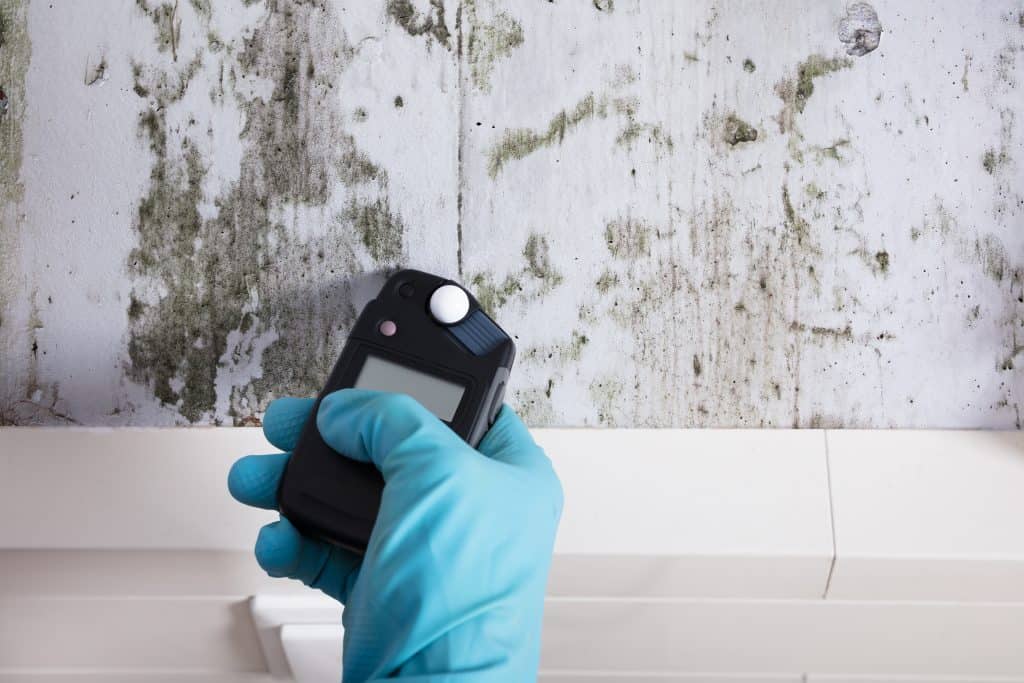
We start with a visual inspection of your property, looking for visible growth, water damage, and moisture issues. But the real work happens with specialized equipment—moisture meters to find hidden dampness, thermal imaging to spot temperature differences that indicate problems, and air quality monitors to measure what you’re breathing.

Sample collection is next. We take air samples to capture airborne spore counts and surface samples from areas where we see growth or suspect contamination. These samples go to a certified lab for analysis, not some quick visual check that leaves you guessing.

Lab results come back in 24 to 48 hours. You get a detailed report that identifies mold species, measures concentration levels, and compares your indoor air quality to outdoor baseline readings. We walk you through what the numbers mean for your specific situation—whether that’s a minor issue you can handle with better ventilation or a contamination problem that needs professional remediation.

The report also gives you documentation for insurance claims, real estate disclosures, or legal protection if you’re a seller. It’s not just about finding mold—it’s about giving you the information you need to make smart decisions about your property and your family’s health.

Ready to get started?

Explore More Services

About Mack's Mold Removal

Residential Mold Testing Services

What's Included in Your Mold Testing

Your mold testing service includes a comprehensive inspection of your Bridgetown property, air sampling to measure airborne spore counts, and surface sampling from suspected contamination areas. We use moisture detection equipment to find hidden water issues and thermal imaging to identify temperature variations that indicate mold-friendly conditions.

All samples go to certified laboratories for species identification and concentration analysis. You’re not getting a yes-or-no answer—you’re getting specific information about what types of mold are present, how much, and where they’re concentrated. The lab report breaks down spore counts, identifies whether you’re dealing with common molds or more serious species like black mold, and compares your indoor levels to outdoor baselines.

We provide a complete documentation package that includes the lab analysis, our inspection findings, moisture readings, and recommendations for next steps. This matters in Bridgetown because you might need it for insurance claims after water damage, real estate transactions that require mold disclosure, or simply to understand whether your family’s respiratory symptoms are connected to your indoor air quality.

Bucks County homes face specific challenges. Older properties often have poor ventilation, basement moisture from high groundwater tables, and attic condensation from Pennsylvania’s temperature extremes. We know where to look and what to test because we’ve been doing this in your area long enough to recognize the patterns.

How much does professional mold testing cost in Bridgetown?

Professional mold testing typically runs between $300 and $600 depending on your property size and how many samples we need to collect. That said, we offer free inspections to assess your situation before any testing happens.

The inspection itself costs you nothing. We look at your property, identify potential problem areas, and give you an honest assessment of whether you actually need laboratory testing or if your issue can be resolved with moisture control and ventilation improvements.

If testing makes sense, the cost covers air sampling, surface sampling, laboratory analysis, and a detailed report with species identification and concentration levels. You’re paying for accuracy that DIY kits can’t provide—certified lab work that identifies specific mold types, measures spore counts, and gives you documentation that holds up for insurance claims or real estate transactions. Some situations don’t require extensive testing, and we’ll tell you that upfront rather than running unnecessary tests.

Lab analysis takes 24 to 48 hours after we collect samples. You’ll have results within two business days in most cases, sometimes sooner depending on the lab’s current workload.

The testing appointment itself usually takes one to two hours depending on your property size and how many areas we’re sampling. We collect air samples, surface samples, and moisture readings, then send everything to a certified laboratory for analysis.

Once results come back, we schedule a time to walk you through the report. You’ll see exactly what mold species were identified, what the spore count levels mean, and how your indoor air quality compares to outdoor baseline measurements. We explain it in plain language—no confusing jargon or technical terms that leave you more confused than when you started. If remediation is needed, we discuss your options and what the timeline looks like. If it’s a minor issue, we tell you that too and explain what you can do to prevent it from becoming a bigger problem.

DIY kits from hardware stores can tell you if mold spores are present, but they can’t tell you what kind, how much, or whether it’s actually a problem. They’re prone to false positives because mold spores exist in every home—what matters is the type and concentration.

Professional mold testing uses calibrated equipment to collect air samples that measure actual spore counts and compare them to outdoor levels. We also take surface samples from specific areas and use moisture meters and thermal imaging to find hidden growth that visual inspection misses.

The samples go to certified laboratories where technicians identify specific species—including toxic varieties like black mold—and measure concentration levels that determine whether you’re dealing with normal background levels or actual contamination. You get a detailed report that means something for insurance claims, real estate transactions, and health assessments. DIY kits don’t give you that level of detail, and they don’t come with professional interpretation of what the results actually mean for your situation. If you’re making decisions about remediation costs, property sales, or family health concerns, you need accurate information, not a general indication that spores exist somewhere in your house.

If you’re buying an older home in Bucks County, mold testing is worth considering—especially if you notice musty odors, see water stains, or the property has a basement or crawl space. Pennsylvania’s humid climate and Bridgetown’s older housing stock create conditions where mold problems are common.

A pre-purchase mold inspection can reveal issues that a standard home inspection might miss. We look behind the obvious—checking attics for condensation problems, basements for foundation moisture, and HVAC systems for contamination. If we find concerns, testing gives you documentation to negotiate repairs or price adjustments before you close.

Sellers in Pennsylvania are required to disclose known mold problems, but “known” is the key word. If they haven’t tested, they might not know what’s behind walls or in ventilation systems. Testing protects your investment and gives you leverage in negotiations if problems turn up. It’s a few hundred dollars now versus potentially thousands in remediation costs after you own the property. And if you’re financing the purchase, some lenders require mold testing if the home inspection raises any red flags about water damage or air quality concerns.

Bucks County homes typically deal with Aspergillus, Penicillium, and Cladosporium—common molds that thrive in humid environments. You’ll also see Stachybotrys, commonly called black mold, in homes with ongoing moisture problems or previous water damage.

Aspergillus grows in dust, on fabrics, and in HVAC systems. It’s one of the most common indoor molds and can trigger allergic reactions in sensitive individuals. Penicillium shows up on water-damaged materials, wallpaper, and insulation—it’s the blue-green mold you might see on old bread, and it spreads quickly in damp conditions.

Cladosporium grows on wood surfaces, textiles, and in cooling systems. It’s usually olive-green or brown and thrives in both warm and cool environments, which makes it common in Pennsylvania’s fluctuating temperatures. Black mold needs consistent moisture to grow, so you’ll find it after flooding, persistent leaks, or in chronically damp basements. It produces mycotoxins that can cause serious respiratory issues, especially in children, elderly residents, and anyone with compromised immune systems. Professional testing identifies which species you’re dealing with so you know whether you’re looking at a minor air quality issue or a contamination problem that requires immediate remediation.

Mold testing shows you what’s in your air and whether spore levels are elevated enough to cause health concerns. It can’t diagnose medical conditions, but it gives you information to share with your doctor if you’re experiencing respiratory symptoms, allergies, or other health issues.

If testing reveals high concentrations of mold species known to trigger allergic reactions or respiratory problems, that’s useful information. Your doctor can determine whether your symptoms align with mold exposure, especially if multiple family members are affected or if symptoms improve when you’re away from home.

Common health symptoms linked to mold exposure include persistent coughing, wheezing, nasal congestion, throat irritation, and skin rashes. People with asthma often experience worsened symptoms in mold-contaminated environments. Children and elderly residents are particularly vulnerable, as are individuals with weakened immune systems. Testing gives you concrete data about what you’re breathing—species identification, spore counts, and concentration levels compared to outdoor air. If levels are elevated, remediation can improve your indoor air quality and potentially resolve symptoms that have been affecting your family’s health. It’s not a medical diagnosis, but it’s a critical piece of information when you’re trying to figure out why everyone in your household has been dealing with unexplained respiratory issues.

Other Services we provide in Bridgetown